
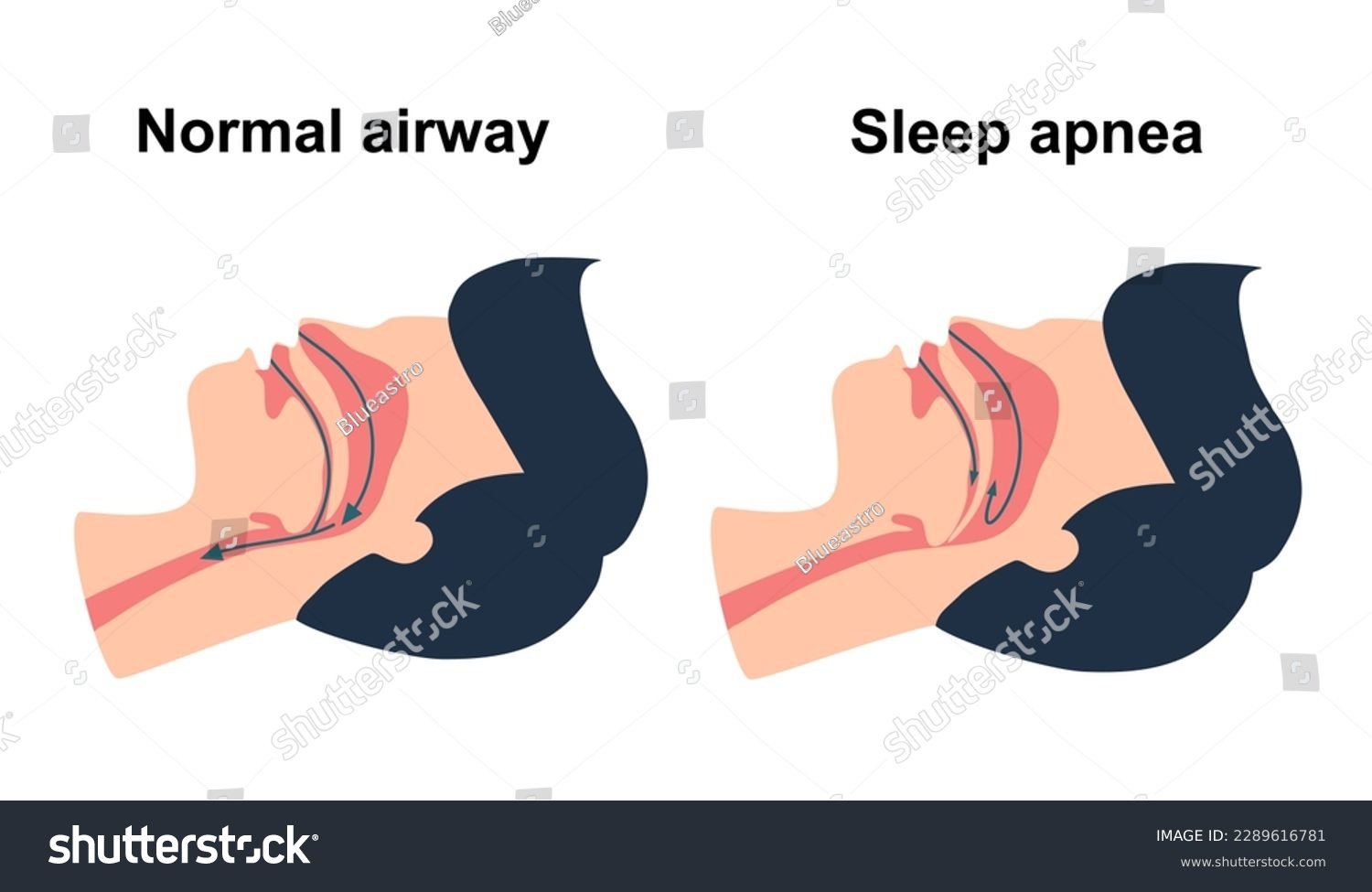
Sleep apnea is a serious sleep disorder. It is marked by repeated pauses in breathing during sleep. The two primary forms are obstructive this order(OSA) and central sleep apnea (CSA).
The most noticeable signs include loud snoring, choking, or gasping. During sleep, there is extreme daytime sleepiness.
With OSA, the muscles around your throat go too limp during sleep — enough that they start closing off the passage you breathe through. CSA occurs when an underlying medical problem disrupts the brain’s breathing control system.
A sleep study is required. This may involve in-lab polysomnography or a home sleep test. The results are reviewed by a qualified healthcare provider.
Think of CPAP as a gentle air splint — it keeps your airway propped open all night so your breathing never gets a chance to stop. It uses steady air pressure. Other treatments include oral devices, lifestyle adjustments, and in some cases, surgery.
This order is often brushed off as simple snoring, but it is a serious medical condition. Sleep medicine researchers put the number much higher than most people realize. Around 30 million adults in the United States are affected. The disorder causes repeated breathing interruptions during sleep. This lowers sleep quality and increases the risk of serious health problems if not treated.
If you suspect you may have sleep apnea. It is important to consult a doctor for proper testing and treatment. Below is a comprehensive guide to sleep apnea. Including its symptoms and causes, and available treatment options.
What Is Sleep Apnea?
Sleep apnea belongs to a group of conditions known as sleep-related breathing disorders. What they all have in common is that your breathing goes wrong in some way the moment you fall asleep. Research into sleep-related breathing shows that. It explains that people with this condition experience repeated pauses or shallow breathing episodes throughout the night.
Most people with sleep apnea have no idea it’s happening — they wake up briefly dozens of times a night, their brain pulls them out of deep sleep just long enough to start breathing again, and by morning they have no memory of any of it. What they do notice is that no matter how long they sleep, they never feel rested. The condition comes in different forms depending on what’s actually causing the breathing to stop.
Sleep Apnea Symptoms
The disorder symptoms include both nighttime breathing problems and daytime effects. It is caused by poor sleep quality. These signs are sometimes mistaken for ordinary tiredness or simple snoring.
- Loud snoring that doesn’t stop
- Mouth so dry in the morning you reach for water before anything else.
- Feeling exhausted no matter how much you slept
- Gasping, choking, or snorting sounds during sleep
- Headaches first thing in the morning
- Struggling to focus or remember things during the day
- Mood swings or feeling irritable for no clear reason
What Causes Sleep Apnea?
Sleep apnea develops due to physical or neurological problems that interfere with steady breathing during sleep.
Obstructive Sleep Apnea (OSA)
In obstructive this condition, the muscles at the back of the throat relax too much during sleep. This narrows the airway. According to UpToDate, this narrowing causes snoring. When the airway becomes fully or partially blocked, oxygen levels drop. The brain briefly wakes the person to reopen the airway. These interruptions can happen many times per night.
Central Sleep Apnea (CSA)
With CSA, the problem isn’t in your airway — it’s in your brain. It simply stops sending the signals your body needs to keep you breathing while you sleep. It signals the breathing muscles. UpToDate explains that in CSA. The brainstem fails to detect carbon dioxide levels during sleep. This results in repeated episodes of slow or shallow breathing.
Sleep Apnea Risk Factors
The risk of developing sleep apnea depends on several factors. These differ between OSA and CSA.
Obstructive Sleep Apnea Risk Factors
Research published in Sleep Medicine highlights the following key factors:
Age
Getting older plays a role — the older you get, the more likely the muscles and tissues in your airway are to lose their tone.
Sex
Men assigned male at birth are more likely to develop OSA.
Head and neck structure
A larger tongue or smaller lower jaw can increase risk
Body weight:
A higher body mass index (BMI) is strongly linked to OSA.
Central Sleep Apnea Risk Factors
CSA often results from other health conditions. According to MedlinePlus, brainstem injury, heart failure, kidney failure, stroke, or hormonal issues may increase risk.
More risk factors identified by UpToDate include:
- Age over 65
- Male sex
- Long-term opioid use
- Living at high altitudes due to reduced oxygen levels
How Is Sleep Apnea Diagnosed?
A medical professional must diagnose these symptoms. The process involves several important steps.
Doctor’s Evaluation
The first step includes reviewing medical history, assessing symptoms, and conducting a physical exam. Information from a bed partner is often helpful. Especially about snoring or gasping during sleep.
Sleep Study
A sleep study is required to confirm the diagnosis.
In-lab polysomnography: the most comprehensive test. It monitors breathing, oxygen levels, muscle activity, awakenings, and sleep stages overnight in a sleep clinic.
Home sleep test: Some patients may complete a home sleep study. But results must still be interpreted by a healthcare professional. Home testing is not used to diagnose central these symptoms.
After the study, a sleep specialist reviews the apnea-hypopnea index (AHI). This measures the number of breathing interruptions per hour. According to Sleep Science, severity is classified as:
Mild:
5–15 events per hour.
Moderate:
15–30 events per hour.
Severe:
More than 30 events per hour
Sleep Apnea Treatments
There’s no one-size-fits-all treatment for sleep apnea — what works depends on which type you have and how severe it is. But leaving it untreated isn’t really an option. The longer it goes unmanaged, the higher your risk of running into serious health problems down the line.
Positive Airway Pressure (PAP) Therapy
PAP therapy is what most people with OSA end up using — and for good reason, it works. A machine pushes a steady stream of air through a mask while you sleep, keeping the airway from collapsing. There are a few different versions: CPAP delivers the same pressure all night; BiPAP switches between two pressure levels for people who find CPAP uncomfortable; and APAP adjusts automatically based on your breathing needs at any given moment.
Other Treatment Options:
Oral appliances:
Custom mouthpieces reposition the jaw and tongue to keep the airway clear
Lifestyle changes:
Weight loss, reducing alcohol intake, and avoiding back sleeping.
Surgery:
May be recommended in certain anatomical cases.
Sleep Apnea in Children:
Although more common in adults, sleep apnea can also affect children. According to UpToDate, obstructive these symptoms is far more common in children than central the disorder. It is estimated that 1% to 5% of children are affected.
Living With Sleep Apnea:
People diagnosed with sleep apnea can take practical steps to manage their condition:
- Stay in regular contact with your doctor or sleep specialist.
- Clean and properly maintain PAP devices or oral appliances.
- Avoid driving or operating heavy machinery when feeling drowsy.
- Consider changing sleep position if recommended.
- Reduce alcohol intake.
- Inform new healthcare providers about your diagnosis, especially before surgery.