
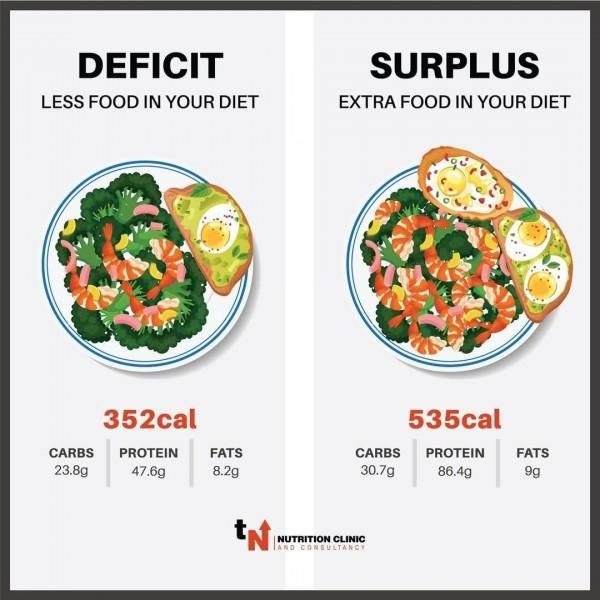
Most people trying to lose fat are either eating too much or cutting so aggressively that their body fights back. The problem isn’t willpower — it’s not knowing the actual number. Use the Fat Loss Calculator above to find exactly how many calories your body needs to start losing fat without burning out.

Fat Loss Calculator

Find your daily calorie target to lose fat based on your body stats and activity level.

Based on Mifflin-St Jeor equation. For educational purposes only — consult a healthcare professional before starting any diet plan.

How Does the Fat Loss Calculator Work?

It uses the Mifflin-St Jeor equation — the most accurate formula available for estimating how many calories your body burns daily. It takes your age, gender, weight, height, and activity level, then calculates two things:

BMR (Basal Metabolic Rate)

The calories your body burns just staying alive, doing nothing.

TDEE (Total Daily Energy Expenditure)

Your actual daily burn once activity is factored in. This is your maintenance number — eat at this level, and your weight stays the same.

From there, the calculator gives you three fat loss targets based on how fast you want to go.

What Do the Results Mean?

Goal Deficit Expected Loss
🐢 Mild300 cal/day~0.25 kg per week
⚡ Moderate500 cal/day~0.5 kg per week
🔥 Aggressive750 cal/day~0.75 kg per week

For most people, the Moderate option is the sweet spot — fast enough to see real progress, sustainable enough to actually stick to.

Frequently Asked Questions

What is BMR and why does it matter?+
BMR is the number of calories your body burns just to keep you alive, breathing, pumping blood, everything without any movement at all. It’s the floor below which you should never eat, because dropping below it long-term slows your metabolism down.
How much of a calorie deficit do I need to lose fat?+
A deficit of 500 calories per day is generally the most practical starting point. It works out to roughly half a kilogram of fat loss per week — enough to see real progress without making you miserable or causing muscle loss.
How does sleep affect fat loss? +
More than most people expect. Poor sleep raises cortisol, increases hunger hormones, and makes your body hold onto fat — especially around the midsection. Check out our complete sleep guide to see how fixing your sleep can make fat loss significantly easier.

Conclusion:

Fat loss comes down to one thing — a consistent calorie deficit over time. The calculator gives you the number. The rest is just showing up. Start with the Moderate target, give it 3 to 4 weeks, and adjust from there based on your results.

And if your progress stalls, check your sleep first — it makes more difference than most people realise. Our complete sleep guide covers exactly how to fix it

Leave a Comment